To start or cultivate a business often comes with one of the biggest challenges: finding the right place to establish operations. Location and costs play important roles in shaping the company’s development capacity. Entrepreneurs and business owners are still seeking practical solutions. An alternative to search is to achieve cheap commercial space for rent, which allows companies to reduce overhead costs and, at the same time, maintain the flexibility of operations.
When searching for appropriate qualities, it is necessary to consider a long-lasting value. Low price is important, but access, size, and infrastructure also mean something. A place should not only meet current needs, but also support future development. Many companies make the mistake of choosing a property based on perfect value, only to face rehabilitation issues under the extension of the business. Smart planning ensures that the chosen places remain viable for the years to come.
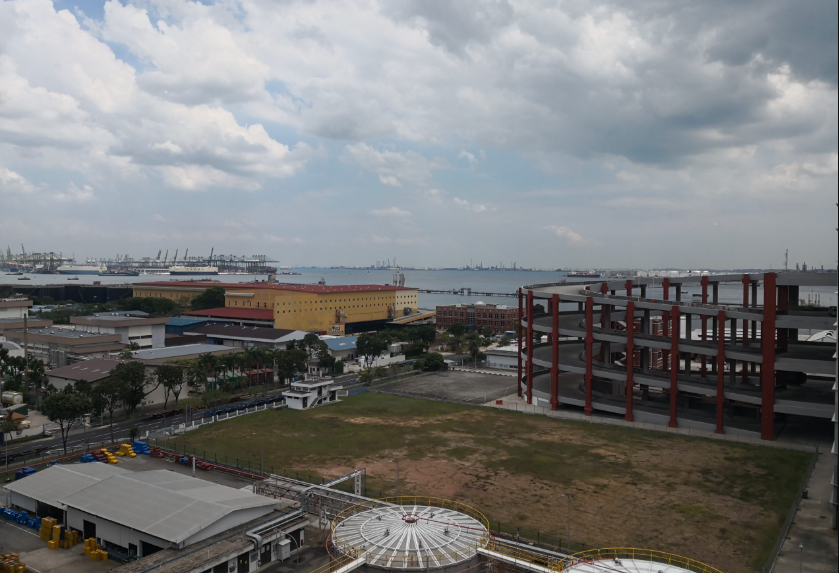
Another alternative that has gained popularity is industrial property. These places are designed for production, storage, distribution, and sometimes office use. They often provide a greater setup at a lower price than retail or high street. For companies involved in logistics, e-commerce, or lighting, industrial areas can provide a cost-effective alternative to traditional commercial areas. Better access to trucks, with high ceilings and flexible floor plans, they act as a practical solution for companies that require more than just one small office space.
The main advantage of renting is flexibility instead of buying. Leasing lets companies quickly meet market requirements. If a business grows faster than expected, it can move to a great convenience at the end of the rental period. Conversely, if downsizing becomes necessary, businesses can avoid being bound by large investments. This adaptation capacity is especially important for small and medium-sized businesses to reduce the risk.
The location is another factor that greatly affects property decisions. Cheap rooms may be available on the outskirts of cities or in upcoming industrial areas. These areas may lack the reputation of large commercial districts, but they often provide significant savings. The key is balanced with the plant. Easy access to highways, suppliers, and customers can compensate for the loss of getting away from city centers.
Business owners should also take into account shared facilities. Co -warehousing, shared offices, and multi-friendly industrial buildings are becoming more common. By sharing safety, maintenance, and tools, companies can cut operating expenses. These types of schemes are especially useful for startups that want the benefits of a professional setup without high individual costs.
Asking for -rent-free period, flexible renewal options, or maintenance support can make a big difference. Companies get the highest value from their ticket agreements by taking the time to negotiate.
Business owners no longer need to fully trust agents, but can research many alternatives independently before making decisions. This openness helps to choose the right property more efficiently.
For the expansion of business plans, it is important to provide future market trends. Urban development plans, upcoming transport projects, and changes in demand can all affect the property value. Choosing a place of growth capacity ensures that a property remains a property instead of a burden.
At the end of the day, the goal is to secure an affordable place that does not compromise functionality. Careful research, planning, and smart decision-making make it possible to find rental properties that support business development while keeping the costs under control. For companies seeking a wide range of reliable guidance and real estate options, Factory Depot provides the right solution that fits all business requirements.